
Venetian Plastering
Venetian plastering in Adelaide is a specialist service at RAW Structures. We create seamless mineral finishes for interiors and exteriors that are durable, low-maintenance, and tailored to South Australian conditions. Our team prepares and finishes a range of materials, including blueboard, brick, concrete, Hebel, plasterboard, and timber. We can also resurface existing substrates to minimise demolition, such as benchtops, showers, and tiles. Applications include benchtops, ceilings, fireplaces, floors, joinery, and walls where a continuous finish is desired.
Choose from finishes including Grasselo, Marmorino, Stuco Lava, Tadelakt, and Travertino, with colours and sheens from matte through to high polish. We consult on design, produce sample boards, specify the right system, then apply multi-coat plasters with careful burnishing and sealing for high traffic zones and wet areas. Residential and commercial projects are delivered across Adelaide with clear timelines and finishes that elevate your space.
Venetian plaster finishes we specialise in are:
- Grasselo
- Marmorino
- Micro Cement
- Polished Plaster
- Split Stone
- Stuco Lava
- Tadelakt
- Travertino
- Xbond

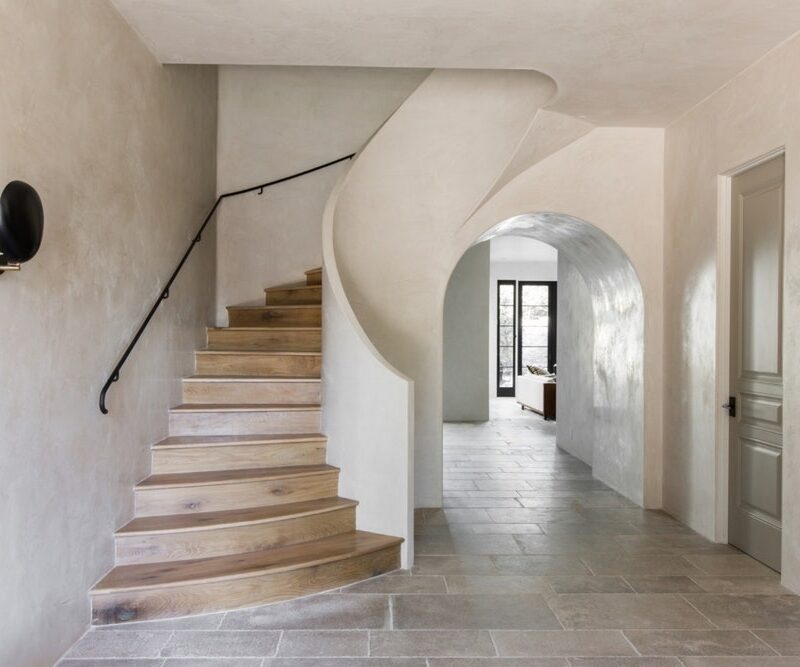
Venetian Plaster Adelaide For Luxury Renovations & Commercial Spaces
Venetian plaster is a premium decorative finish that brings texture, depth, and sophistication to both residential and commercial interiors. Known for its distinctive appearance and timeless elegance, Venetian plaster is increasingly being used throughout Adelaide in luxury homes, high-end renovations, and commercial spaces.
At RAW Structures, we specialise in Venetian plaster applications that create visually striking feature walls and architectural finishes. This versatile finish can be applied in living areas, bathrooms, entryways, restaurants, retail environments, and commercial interiors to create a unique, high-end aesthetic that cannot be achieved with conventional paint systems.
Beyond its visual appeal, Venetian plaster offers durability, longevity, and a seamless finish that complements contemporary and traditional design styles alike. Whether incorporated into a luxury home renovation, commercial fitout, or bespoke interior project, our experienced team delivers premium Venetian plaster finishes tailored to the vision and character of each Adelaide property.
What is Venetian plaster?
Venetian plaster is a lime plaster, mixed with marble dust, that goes on in thin layers and is burnished with a steel trowel. The result looks like polished stone, with a depth and movement paint can’t give you.
The colour is tinted into the plaster itself, so you choose it once and it runs right through the finish.
At a glance
- Made from lime and marble, applied by hand in thin coats
- Finishes from soft matte through to a high polish
- Goes on plasterboard, brick, blueboard, concrete, Hebel and timber, and over existing tiles and benchtops
- Works in living areas, entries, bathrooms, showers, ceilings, fireplaces and joinery
- Looks after itself with a soft cloth, a little mild soap and a reseal of polished finishes once a year
Which Venetian finish suits your space?
Venetian plaster is a family of finishes rather than one look. Here’s how the three main ones differ.
| Finish | What it looks like | Where it suits |
|---|---|---|
| Polished Venetian plaster | Smooth and glassy, like polished marble, from a final burnishing with a steel trowel | Feature walls, entries, living areas and curved walls |
| Marmorino | Crushed marble and lime, worked to a matte, satin or glossy finish, with a texture anywhere from polished marble to natural stone | Whole rooms, ceilings and walls where you want a softer, stone-like look |
| Tadelakt | Seamless and water-repellent, polished with a stone and sealed with an olive-oil soap. It’s the traditional finish of Moroccan bathrooms | Showers, bathrooms and basins |
All three can be tinted to a wide range of colours. We make up sample boards, so you can see the finish and the colour before we start.
Where does Venetian plaster work best?
It works best where you’ll see it and touch it: a feature wall in the living room, an entry, a curved staircase, a fireplace surround or a bathroom.
Because it goes on by hand in thin layers, it follows curves, arches and niches without a join. That’s where tiles and panels struggle.
In a kitchen, it can resurface a benchtop or joinery for one seamless finish, as part of a kitchen renovation.
It suits commercial spaces too, such as restaurants, shops and offices, and it can be one part of a commercial fitout.
When another finish makes more sense
- A flat, even colour across a big area. Interior painting does that for less. The movement in tone is the whole point of Venetian plaster.
- A wall that’s cracking. Some fine hairline cracking is a natural feature of lime finishes. Bigger cracks usually mean the wall is moving, and any hard finish will crack again over a moving wall. We find the cause first, the same rule we follow with rendering and solid plastering.
Can you use Venetian plaster in a bathroom or shower?
Yes. Several of the photos on this page are bathrooms we’ve plastered: shower walls, a shower cubicle, a vanity wall and a toilet alcove.
Tadelakt is the traditional choice for wet areas. It’s polished with a stone and sealed with an olive-oil soap, which makes the surface water-repellent. Venetian plaster can also be sealed with wax to make it water resistant.
The plaster is the finish, not the waterproofing. Under the National Construction Code, shower walls still need a waterproofing membrane that meets the Australian Standard, AS 3740, to at least 1,800 mm above the floor.
Where the waterproofing underneath is sound, Venetian plastering can resurface existing tiles and shower walls with a seamless finish, without the demolition.
If you’re planning a full bathroom renovation, choose the finish early so we can prepare the walls for it. In South Australia, a bathroom with a floor waste needs the whole floor waterproofed, which is one of the things that shapes what a bathroom renovation costs in Adelaide.
What affects the cost of Venetian plastering?
We price every Venetian job on site, because the same finish can take very different amounts of work from one room to the next. These are the things that move the price:
- The area and the height. A feature wall is a smaller job than a whole room or a ceiling, and high walls may need a platform.
- The finish. A typical interior system is a primer, three coats of plaster and a protective wax. A high polish takes more burnishing than a matte finish.
- The walls underneath. New plasterboard is set and flushed first, which our gyprock fixing and flushing team handles. Older walls may need patching, and existing tiles need sound waterproofing behind them.
- Wet areas. Showers need a compliant membrane under the plaster and a sealed finish on top.
- Shape and detail. Curves, arches, niches and corners take longer to plaster and polish than a flat wall.
You’ll get a free, itemised quote after a site inspection, and we can make up sample boards so you can see the finish first.
How do you look after Venetian plaster?
Not much. Rockcote, an Australian maker of natural lime and clay plasters, recommends:
- dusting it now and then with a soft cloth
- wiping spills straight away with a damp sponge, because a stain is harder to shift the longer it sits
- cleaning polished finishes with a soft sponge and a little black soap in water
- never using bleach, mould removers, vinegar, citrus cleaners, scourers or a pressure spray
- resealing polished finishes once a year, with the same black soap or wax the finish was sealed with
In a bathroom, keep the room well ventilated. Lime doesn’t harbour mould, but steady damp and poor airflow can still let it form on the surface.
If a finish gets damaged, have the team who applied it take a look rather than patching it yourself.
Our Venetian plastering work
The photos on this page are our own work: plastered shower walls with black tapware, a stone basin on a timber vanity against a plastered wall, a toilet alcove, a curved staircase with an archway, and a kitchen benchtop.
We’re licensed builders (Builders Licence #BLD332236), so Venetian plastering can be one part of a bigger job, such as a home renovation, with one team handling the walls, the waterproofing and the finish.
Based on the mid coast, we service all areas of metropolitan Adelaide. If you’re not sure whether we cover your suburb, just ask.
Venetian plastering FAQs
RAW Structures prices each Venetian plastering job after seeing the space, because the cost depends on the size and height of the area, the finish you choose and how much preparation the walls need. A high polish takes more burnishing than a matte finish, and showers need a waterproofing membrane underneath. We give you a free, itemised quote after a site inspection.
Yes. RAW Structures uses Venetian plaster and tadelakt in showers and bathrooms, and two of the photos on this page are showers we’ve plastered. The plaster is the finish, not the waterproofing, so shower walls still need a membrane that meets AS 3740 underneath. The finish is then sealed to make it water resistant.
Often, yes. RAW Structures can resurface existing tiles, showers and benchtops with Venetian plaster, which saves the cost and mess of ripping them out. It suits tiles where the waterproofing underneath is sound.
All three are lime plasters applied by hand, and RAW Structures offers all three. Polished Venetian plaster is burnished with a steel trowel to a smooth, glassy sheen like polished marble. Marmorino is crushed marble and lime that can be worked matte, satin or glossy, often with a natural stone texture. Tadelakt is polished with a stone and sealed with olive-oil soap, which makes it water-repellent and the traditional choice for bathrooms.
RAW Structures recommends a soft, damp cloth or sponge and a little black soap in water, and never bleach, vinegar, citrus cleaners or scourers. Dust it lightly now and then and wipe spills straight away. Polished finishes should be resealed once a year with the same soap or wax they were sealed with.
Properly applied and burnished, Venetian plaster cures to a hard, stone-like finish, but some fine hairline cracking is a natural feature of lime plasters. Bigger cracks usually mean the wall underneath is moving. RAW Structures finds and fixes the cause before plastering, because any hard finish will crack again over a moving wall.