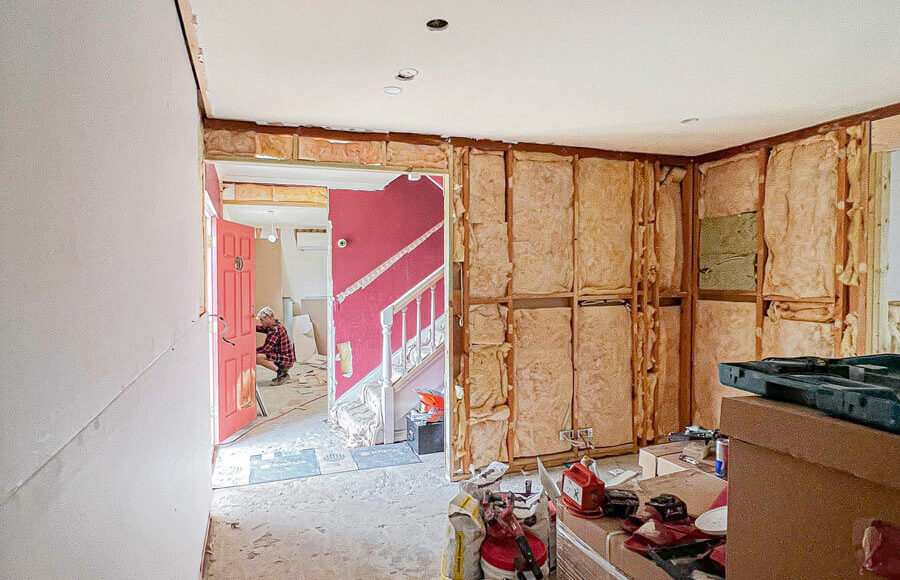
Category: Insights

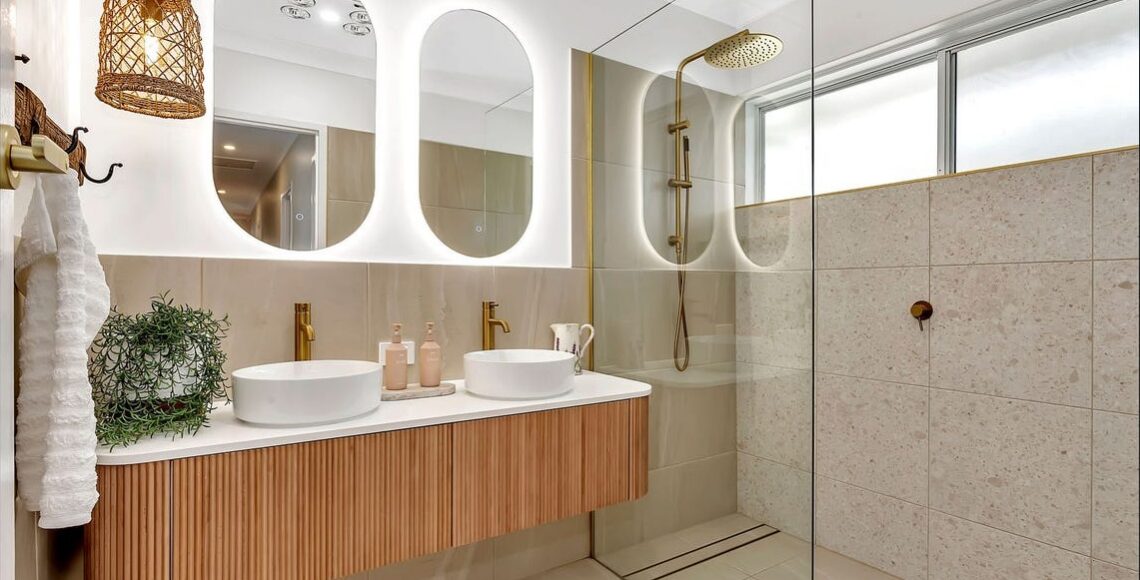
Renovated main bathroom with a fluted timber double vanity, brass tapware and walk-in shower

How Much Does a Home Renovation Cost in Adelaide?

You have lived with it long enough to know what is wrong. The kitchen faces the wrong way, the bathroom has not been touched since the eighties, and the living area is dark by three in the afternoon. The question that stops most people is the same one: what is this actually going to cost?

It deserves a straight answer, with the sources shown, rather than a number someone made up.

The short answer

Renovating inside your existing footprint generally runs between $1,600 and $3,900 per square metre, according to the Archicentre Australia Cost Guide for 2026. That assumes the structure is sound, you are not underpinning or restumping, and the site has reasonable access.

Room by room, the same guide puts the wet areas at:

RoomIndicative costWhat it covers
Kitchen$23,000 to $49,000Fit out, excluding white goods
Bathroom or ensuite$17,500 to $35,000Fit out, excluding white goods
Laundry$10,000 to $19,000Fit out, excluding white goods

Two things to know before you take those numbers anywhere.

They cover construction only. Design, engineering, council fees, insurance, the CITF levy and a contingency all sit on top, and we break every one of those out further down, because leaving them out is the most common way a cost guide misleads people.

They are also national figures rather than South Australian ones, because no independent Adelaide-specific rate is published.

These are ranges, not quotes. We give you a free quote with real numbers for your actual home, and there is no cost or obligation in asking.

Why a renovation costs less per square metre than an extension

Working inside what you already have is the cheaper way to buy a better house.

The same Archicentre guide puts new construction, including extensions, at $2,700 to $5,100 per square metre against $1,600 to $3,900 for renovating inside an existing building. There is no new slab, no new roof, and nothing has to be tied back into the existing structure.

So if what you actually have is a layout problem rather than a space problem, a renovation usually gets you there for less. We go through the numbers for adding space in our guide on what a home extension costs in Adelaide, and our guide on whether to renovate or extend walks through that decision properly.

What pushes the cost up or down?

Two renovations of the same size can land tens of thousands apart. It usually comes down to five things.

  • Whether you move the plumbing. Keeping the sink, shower and toilet roughly where they are is the single biggest saving available in a wet area. Moving them means opening floors and re-running waste, and the cost climbs quickly.
  • Structural work. Removing a load-bearing wall to open up a kitchen or living area needs engineering, a sized beam and propping. In Adelaide the engineering design alone commonly runs around $2,000 for a standard three metre opening and nearer $3,000 for a six to eight metre span needing multiple beams, before any building work starts. It also brings ceiling, cornice and flooring repairs with it.
  • The age and condition of the house. This is where older Adelaide homes catch people out. Archicentre puts restumping at $14,000 to $19,000 for a house, a full rewire at $9,500 to $24,000, and a full re-plumb at $14,000 to $24,000 on a 150 square metre home with reasonable access. None of that shows in a per square metre rate.
  • Finishes. Standard tiles, tapware and joinery cost a great deal less than stone benchtops and custom cabinetry. This is the biggest lever you personally control.
  • Access. A wide block with room for a truck costs less to work on than a narrow inner-suburb lot where everything is carried in and out by hand.

The costs people forget to budget for

This is the part that turns a $150,000 project into a $190,000 one, and it is almost always missing from the figures people find online.

  • Design and documentation. There is no official fee scale in Australia, so this varies more than people expect. As a guide, a straightforward project tends to run 6 to 8 per cent of the build cost, and a complex one with planning overlays or a tight inner-suburb site can reach 12 to 18 per cent
  • Structural engineering. Most residential renovation work is priced as a fixed fee rather than a percentage. In Adelaide, beam design for removing a wall commonly runs around $1,200 to $3,000 depending on the span, and a broader renovation structural design can reach $5,000
  • A contingency. The major lenders all land on 10 to 20 per cent, and some suggest going to 30 per cent on larger renovations. We would not start on an older home with less than 15 per cent set aside, because older homes hide things

The South Australian costs nobody else lists

These are set by the state, they are public, and they apply to your renovation whoever builds it. Most cost guides skip them entirely because they are not the same anywhere else in the country.

Development fees. These come off the Planning, Development and Infrastructure Fees Notice 2026, which took effect on 1 July 2026. For an alteration to a house, lodgement is $158 for work over $10,000, $178 over $50,000 and $187 over $100,000. Building consent for a Class 1 building is $538 or 0.25 per cent of the development cost, whichever is greater, with a separate Class 1 compliance fee of $287.

Planning consent depends on which pathway your project falls into, and that is set by your zone and what you are proposing rather than by the size of the job. Accepted development needs building consent only, with no planning fee at all. Deemed-to-satisfy is $250. Performance assessed is $299 or 0.125 per cent of the development cost, whichever is greater. Nobody can tell you which one applies to your house without looking at your zoning, so treat anyone who quotes you a single flat planning fee with caution.

Worked through on a $150,000 renovation that is performance assessed, the statutory fees come to roughly $1,300. That is our arithmetic on the published schedule rather than a figure anyone publishes. Hundreds to low thousands, in other words, not the tens of thousands some guides imply.

A Certificate of Occupancy may not apply. These have been required for new Class 1a houses since October 2024, and they cost $59.50. On an existing home they are triggered where floor area increases or the building classification changes. An alteration contained wholly inside the building, such as a bathroom renovation or removing an internal wall, may not need one at all. Worth confirming for your specific job rather than assuming either way.

Building indemnity insurance. In South Australia this is required on domestic building work of $20,000 or more that needs development approval, a threshold that rose from $12,000 in November 2025. The cover limit rose to $250,000 at the same time. Your builder takes it out, and it should be itemised in your quote rather than buried in it.

The CITF levy. The Construction Industry Training Fund levy is 0.25 per cent of project value and applies to projects over $100,000 excluding GST. On a $150,000 renovation that is $375. It has to be paid before approval is granted, so it is worth knowing about early rather than at the wrong moment.

Two protections worth knowing you have. In South Australia any building work of $20,000 or more must be under a written contract, and the maximum deposit a builder can ask for on those contracts is 5 per cent of the price. If someone is asking for more than that up front, that is a red flag regardless of who they are.

Taken together with design, engineering and contingency, a realistic all-in budget usually sits 25 to 40 per cent above the construction cost on its own. If you take one number away from this guide, make it that one.

Three things about Adelaide homes worth knowing

Reactive clay. A lot of Adelaide sits on it, and it moves with the seasons. If your renovation touches footings or adds load, a soil test comes first. Locally these generally run a few hundred dollars on a straightforward block and into the low thousands for a full geotechnical report on a reactive or sloping site.

Asbestos. Asbestos was not banned nationally until the end of 2003, so any Adelaide home built before then can contain it, commonly in eaves, wet area sheeting and old vinyl. More than ten square metres of non-friable material legally requires a licensed removalist. It is worth identifying before demolition rather than discovering mid-job.

Character and heritage overlays. Large parts of Adelaide’s inner suburbs sit under one. They change what you can alter, particularly anything visible from the street, and they can push a project onto the performance assessed pathway. There is no published figure for what an overlay adds, because it depends entirely on what you are proposing, but it does affect both time and cost. We check your property’s overlays at the site inspection.

Is a renovation worth the cost?

In most cases, yes. You get a home that suits how you actually live, and you keep the street, the school zone and the neighbours you chose. It compares well against moving, where stamp duty and agent fees buy you no extra space at all.

Where it is not automatically worth it is if you overcapitalise for your street. Every suburb has a ceiling on what buyers will pay, and top-end money in a modest street does not always come back dollar for dollar.

The honest way to think about it: if you are staying long term, build the renovation that makes your life better. If you are likely to sell within a few years, we will give you our read on where the ceiling in your suburb sits before you spend anything.

How we work out your number

Cost depends on your home and your block, so a published range only ever gets you so far.

Our team looks at what you are actually trying to achieve, then works through the things that move the price on your project: the age and condition of the house, whether services have to move, what the structure will allow, your overlays, and the finishes you want. From your first site inspection through to handover, you are dealing with one team that stays across the whole job.

What you get back is a clear, itemised free quote covering design, approvals, construction and the specialist trades, so you can see exactly what you are paying for rather than a single lump sum. No job is too big or small.

You can see how we approach home renovations across Adelaide, or go straight to the rooms most people start with: kitchen renovations and bathroom renovations.

The short version

If you read nothing else, these are the five things worth carrying into your first builder conversation.

  • Start from the rate, not a total. Renovating inside an existing home runs $1,600 to $3,900 per square metre nationally. Multiply by the area you are touching and you have a starting figure.
  • Add 25 to 40 per cent. The rate is construction only. Design, engineering, council fees, insurance, the CITF levy and contingency are real costs, and this is the step most people skip.
  • Renovating beats extending on cost per square metre. If your problem is layout rather than floor area, you will get further for less by working inside what you have.
  • The house’s age is the wildcard. Restumping, rewiring and re-plumbing an older Adelaide home can each run into the tens of thousands, and none of it appears in a per square metre rate.
  • Moving plumbing is the expensive decision. Leaving wet areas where they are is the biggest single saving on the table, and it is a choice you make on day one.

What none of that tells you is what your renovation costs. That depends on your home, your block and what you want it to do, and no published range can price those.

That is the part we are here for. Our team will walk you through what your project involves, give you an accurate itemised estimate before any work starts, and stay with you through design, approvals and construction to handover.

Every project is different, so contact us for a free quote to get an accurate estimate for your project.

How much does it cost to renovate a house in Adelaide?

Renovating inside an existing home generally runs $1,600 to $3,900 per square metre according to the Archicentre Australia Cost Guide 2026, assuming the structure is sound and access is reasonable. Room by room, a kitchen fit out runs $23,000 to $49,000, a bathroom or ensuite $17,500 to $35,000 and a laundry $10,000 to $19,000, excluding white goods. Those are national figures, because no independent South Australian rate per square metre is published. They also cover construction only, so allow another 25 to 40 per cent for design, engineering, council fees, building indemnity insurance, the CITF levy and a contingency. Every project is different, so contact RAW Structures for a free quote to get an accurate estimate for your project.

Is it cheaper to renovate or extend?

Per square metre, renovating inside your existing home is cheaper. The Archicentre Australia Cost Guide 2026 puts renovation inside an existing building at $1,600 to $3,900 per square metre against $2,700 to $5,100 for new construction including extensions. A renovation avoids a new slab, a new roof and the work of tying new structure into the old. If your problem is a layout that does not work rather than a genuine shortage of floor area, a renovation usually gets you there for less.

What council fees apply to a renovation in South Australia?

Under the South Australian Fees Notice 2026, effective 1 July 2026, an alteration to a house attracts lodgement of $158 for work over $10,000, $178 over $50,000 and $187 over $100,000. Building consent for a Class 1 building is $538 or 0.25 per cent of development cost, whichever is greater, plus a Class 1 compliance fee of $287. Planning consent depends on your assessment pathway: accepted development attracts none, deemed-to-satisfy is $250, and performance assessed is $299 or 0.125 per cent of development cost, whichever is greater. On a $150,000 performance assessed renovation those fees total roughly $1,300. Separately, building indemnity insurance is required at $20,000 or more, and the CITF levy of 0.25 per cent applies to projects over $100,000 excluding GST, which is $375 on a $150,000 job. A Certificate of Occupancy costs $59.50 but may not be required for an alteration contained wholly inside the building.

What adds the most cost to a home renovation?

Moving plumbing, structural work and the age of the house move the price more than anything else. Relocating a sink, shower or toilet means opening floors and re-running waste, and removing a load-bearing wall brings engineering, a structural beam and make-good repairs with it. On older Adelaide homes the hidden work is the real wildcard: Archicentre puts restumping at $14,000 to $19,000 per house, a full rewire at $9,500 to $24,000 and a full re-plumb at $14,000 to $24,000. None of that appears in a per square metre rate. Finishes are the biggest lever a homeowner actually controls.

Do I need to worry about asbestos in an Adelaide renovation?

If your home was built before the end of 2003 it is worth checking, because asbestos was not banned nationally until then. It turns up most often in eaves, wet area sheeting and old vinyl flooring. More than ten square metres of non-friable asbestos legally requires a licensed removalist, and friable asbestos always does. The sensible approach is to identify it before demolition starts rather than discover it midway through, and we factor that into the programme and the quote rather than leaving it as a surprise.

How much contingency should I allow for a renovation?

Published guidance sits between 10 and 20 per cent of the construction cost. On an older home we would not start with less than 15 per cent set aside. Renovations differ from new builds because you cannot see everything until the linings come off, and older Adelaide homes routinely hide old wiring, failed waterproofing, termite damage or footings that have moved. A contingency is not padding, it is the difference between a surprise being handled and a project stopping.
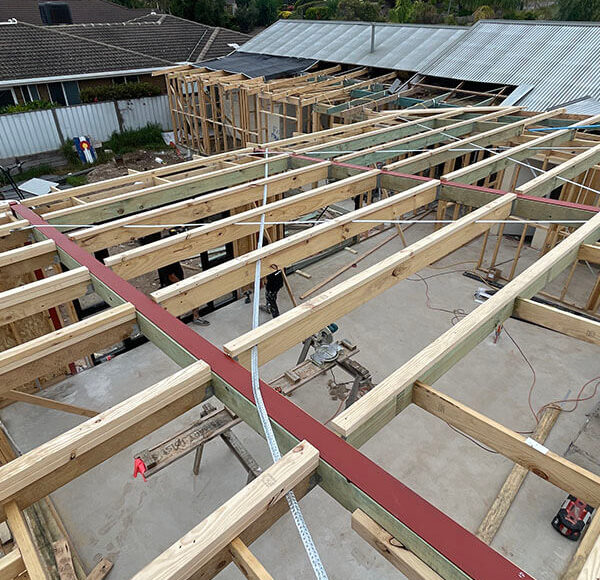
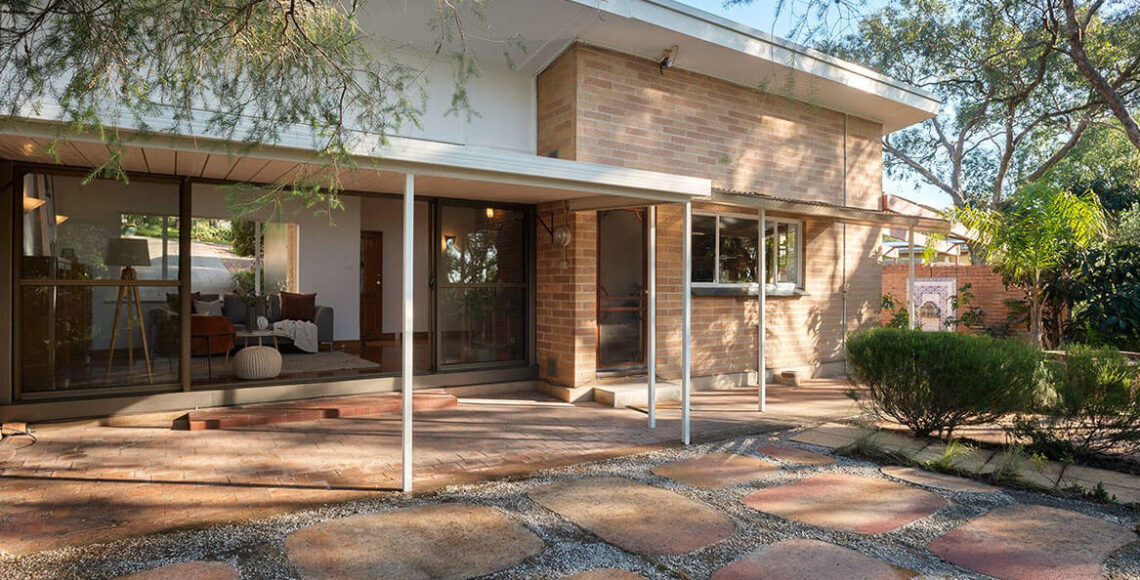
How Much Does a Home Extension Cost in Adelaide?

You have worked out you need more space, whether that is another bedroom, a bigger living area, or room for the whole family to spread out. The next question is always the same one: what is this going to cost?

It is a fair question, and it deserves a straight answer rather than a shrug.

The short answer

In South Australia, a standard ground-floor extension generally runs between $2,500 and $3,700 per square metre. Step up to high-end finishes and that becomes roughly $3,700 to $5,700 per square metre.

Put through a typical project size, that looks like this:

Type of extensionTypical sizeIndicative cost
Single room additionAround 40 square metres$100,000 to $150,000
Open-plan living extensionAround 60 square metres$150,000 to $225,000, plus structural allowance
Second storey additionPer square metre$2,900 to $4,500 per square metre
Granny flat, one bedroomAround 45 square metres$90,000 to $150,000
Granny flat, two bedroomAround 60 square metres$130,000 to $190,000

Two things to know before you take those numbers anywhere. They include GST, and they cover construction only. Design, engineering, approvals and a contingency sit on top, and we break those out further down because leaving them out is the most common way a cost guide misleads people.

These are ranges, not quotes. The RAW Structures team gives you a free quote with real numbers for your actual home, and there is no cost or obligation in asking.

What does a second storey extension cost?

Building up costs more per square metre than building out. In South Australia a second storey addition typically runs $2,900 to $4,500 per square metre, which works out around 20 to 40 per cent more than the equivalent ground-floor work. That covers adding a new level on top of your existing home: the old roof comes off, and a new floor structure and roof go on.

You will see figures as high as “50 per cent more” quoted elsewhere. The Adelaide-specific numbers do not support that, so we would rather give you the range the data actually shows.

The premium comes from work a ground-floor extension never touches:

  • Structural engineering to confirm the existing footings and frame can carry a second level, typically $2,000 to $10,000
  • A staircase, which has to come out of the floor plan below as well as be built, commonly $15,000 to $30,000
  • Removing and rebuilding the existing roof, which can run from $30,000 upward depending on span and pitch
  • Somewhere to live if the house becomes unliveable during the structural stage

That last one catches people out. We plan the build in stages wherever we can so you may be able to stay in part of the home, and we tell you honestly at quote stage if that is not realistic on your house.

What does a granny flat cost in Adelaide?

A one bedroom granny flat of around 45 square metres generally lands between $90,000 and $150,000. A two bedroom of around 60 square metres runs roughly $130,000 to $190,000. Across metropolitan Adelaide the rate works out around $2,000 to $3,100 per square metre.

That is lower per square metre than an extension, which surprises people. The reason is simple: a standalone build has no demolition, and nothing has to be tied back into an existing roof, wall or slab.

In South Australia the planning term is a secondary dwelling if it is detached, or ancillary accommodation if it is attached to the house. Most people just call it a granny flat.

Watch the site costs on these, because they vary more than the build itself. Connecting water and power, on-site wastewater treatment where there is no sewer, and retaining walls on a sloping block can each add thousands. We check all of that on site before quoting.

What pushes the cost up or down?

Two extensions of exactly the same size can land tens of thousands apart. It usually comes down to four things.

  • Site access. A wide block with easy truck access costs less to build on than a narrow driveway, a steep block, or a tight inner-suburb lot where materials have to be carried in by hand.
  • Structural complexity. Matching an existing roofline, or removing a load-bearing wall to open the space up, adds engineering and steel. Taking out a load-bearing wall alone commonly adds $8,000 to $25,000 once the beam, propping and engineering are counted.
  • Finishes. Standard tiles, tapware and joinery cost a great deal less than stone benchtops, feature cladding and custom cabinetry. This is the biggest lever you personally control.
  • Your block and your soil. Reactive clay is common across Adelaide and it affects footing design. A heritage or character overlay changes what you can build and how long approval takes.

The costs people forget to budget for

This is the part that turns a $150,000 project into a $190,000 one, and it is almost always missing from the numbers people find online.

  • Design and documentation, generally 8 to 15 per cent of the construction cost
  • Structural engineering, typically $2,000 to $10,000 depending on complexity
  • Statutory assessment fees for planning and building consent. For a dwelling addition these are usually in the hundreds to low thousands, not the tens of thousands some guides claim. A private certifier generally costs more than going through council for the same scope.
  • A contingency. We would not start a project without at least 15 per cent set aside. Older homes hide things.

Added together, a realistic all-in budget usually sits 25 to 40 per cent above the construction cost on its own. If you take one number away from this guide, make it that one.

This is exactly where our team earns its keep. You should not be piecing this together on your own from figures you found online, and you should not be finding out about a cost halfway through a build.

We work through all of it with you before anything starts: what your project actually involves, what each part costs, and where the risks sit on your particular home. You get an accurate, itemised estimate up front, and we stay with you through design, approvals and construction to handover. Ask us for a free quote and we will lay the whole picture out for you.

Is an extension worth the cost?

In most cases, yes. You get more space, a home that suits how your family actually lives, and you keep the street, the school zone and the neighbours you chose. It also compares well against moving, where stamp duty and agent fees buy you no extra space at all.

Where it is not automatically worth it is if you overcapitalise for your street. Every suburb has a ceiling on what buyers will pay, and architectural-level money in a modest street will not always come back dollar for dollar.

The honest way to think about it: if you are staying long term, build the extension that makes your life better. If you are likely to sell within a few years, we will give you our read on where the ceiling in your suburb sits before you spend anything.

When a renovation might serve you better

Not every space problem needs an extension.

Sometimes the real issue is layout, not square metres. A kitchen facing the wrong way, a hallway swallowing floor space, or a house that was never opened up to natural light can often be fixed with a renovation for a fraction of what a full extension costs.

If a smarter layout inside your existing footprint gets you most of the way there, we will say so, and our guide to home renovation costs in Adelaide sets out what that path costs. It is a better outcome for you, even though it is a smaller job for us. Our guide on whether to renovate or extend walks through that decision in more detail.

How we work out your number

Cost depends on your home and your block, so a general range only ever gets you so far.

Our team looks at what you are actually trying to achieve, then works through the things that move the price on your project: access, orientation, soil, how the new work ties into what is already there, and the finishes you want. From your first site inspection through to handover, you are dealing with one team that stays across the whole job.

What you get back is a clear, itemised free quote covering design, approvals, construction and the specialist trades, so you can see exactly what you are paying for rather than a single lump sum. No job is too big or small.

You can see the types of extensions we build, from single rooms through to second storeys and granny flats, on our extension builders page, browse the full range of building and trade services we offer, or get to know the team behind RAW Structures.

The short version

If you read nothing else, these are the five things worth carrying into your first builder conversation.

  • Start from the rate, not a total. Ground-floor work in South Australia runs $2,500 to $3,700 per square metre at a standard finish. Multiply by the space you actually need and you have a realistic starting figure.
  • Add 25 to 40 per cent. The rate is construction only. Design, engineering, approvals and contingency are real costs, and this is the step most people skip.
  • Building up costs 20 to 40 per cent more than building out. If your block has room at the back, a rear extension is usually the cheaper way to the same amount of space.
  • A granny flat is cheaper per square metre than an extension. Around $2,000 to $3,100 in metropolitan Adelaide, because nothing has to be tied into the existing house.
  • Finishes are the lever you control. Site access and structure are set by your block. What you choose for benchtops, tapware and joinery is not, and it is where two identical extensions end up tens of thousands apart.

What none of that tells you is what your extension costs. That depends on your block, your home and what you want it to do, and no published range can price those.

That is the part we are here for. Our team will walk you through what your project involves, give you an accurate itemised estimate before any work starts, and stay with you through design, approvals and construction to handover.

Every project is different, so contact us for a free quote to get an accurate estimate for your project.

How much does a home extension cost in Adelaide?

In South Australia a standard ground-floor extension generally runs $2,500 to $3,700 per square metre including GST, rising to roughly $3,700 to $5,700 per square metre for high-end finishes. On a 40 square metre single room addition that works out around $100,000 to $150,000, and on a 60 square metre open-plan extension around $150,000 to $225,000. Those figures cover construction only, so allow another 25 to 40 per cent for design, engineering, approvals and contingency. Every project is different, so contact RAW Structures for a free quote to get an accurate estimate for your project.

How much more does a second storey extension cost than a ground-floor one?

A second storey addition in South Australia typically runs $2,900 to $4,500 per square metre, around 20 to 40 per cent more than equivalent ground-floor work. The premium covers structural engineering to confirm the existing footings can carry the load, a staircase, and removing and rebuilding the existing roof. Higher claims of 50 per cent or more are not supported by the South Australian figures.

How much does a granny flat cost in Adelaide?

A one bedroom granny flat of around 45 square metres generally costs $90,000 to $150,000 in Adelaide, and a two bedroom of around 60 square metres runs roughly $130,000 to $190,000. Metropolitan Adelaide rates work out around $2,000 to $3,100 per square metre, slightly less than an extension because a standalone build avoids demolition and tying into the existing house. In South Australia these are officially called secondary dwellings.

What affects the cost of an extension the most?

Site access, structural complexity and the level of finish move the price more than anything else. A tight block, a hard-to-match roofline or reactive clay soil all add cost before a single finish is chosen, and removing a load-bearing wall to open up the space commonly adds $8,000 to $25,000 on its own. Stone benchtops and custom joinery add more again, and the finishes are usually the biggest lever a homeowner controls.

Are design and council approval fees included in the cost per square metre?

No, and this is the most common way published cost guides mislead people. Per square metre rates cover construction only. Design and documentation generally adds 8 to 15 per cent of the construction cost, structural engineering $2,000 to $10,000, and statutory planning and building assessment fees for a dwelling addition usually land in the hundreds to low thousands. Add a contingency of at least 15 per cent and a realistic all-in budget sits 25 to 40 per cent above the construction cost alone.

Can I stage an extension to spread the cost?

Often yes. Building the structural shell first and completing the fit out later can help a budget work, and many homeowners fund an extension through a construction loan or by redrawing on an existing mortgage. A broker or lender can advise on what suits your situation. We will talk through what can sensibly be staged on your project at quote stage.

Why Adelaide Homeowners Are Extending Instead of Moving

If your family has outgrown your home but you still love your street, your school zone and your neighbours, you are facing the question thousands of Adelaide homeowners wrestle with every year: do you move, or do you make the home you already have work harder?

More and more, the answer is to stay and extend.

The short answer

For most Adelaide families, extending is cheaper, less disruptive and less risky than buying a bigger house, because you keep the location you already chose and skip the tens of thousands of dollars it costs simply to change addresses.

The short version:

  • Moving costs far more than the new sale price. Stamp duty, agent fees and removalists add up fast.
  • Extending lets you keep your suburb, your block and your lifestyle.
  • A well-planned home extension in Adelaide adds usable space and long-term value.
  • It is not always the right call, and we will tell you honestly when moving or renovating makes more sense.

Why are so many Adelaide families choosing to extend?

The biggest reason is simple. You picked your home for a reason.

Maybe it is the quiet street, the walk to school, being close to family, or a backyard the kids have grown up in. None of that shows up on a property listing, and none of it is easy to replace by moving across town.

When your home no longer fits your life, the problem is usually space, not location. A growing family, working from home, or ageing parents moving in are the reasons we hear most often. Extending solves the space problem without asking you to give up everything you already love.

What does it actually cost to move?

This is the part that surprises people. Moving is expensive long before you have gained a single extra room.

Adelaide’s median house value sat just above $1 million in the middle of 2026. On a purchase at that level, the South Australian Government stamp duty alone is close to $48,000.

Then add the rest of the moving stack:

  • Real estate agent commission on the home you are selling
  • Conveyancing and legal fees on both properties
  • Removalists, connections and the odd bit of new furniture
  • The time, stress and days off work that no one puts a price on

By the time it is all done, it is easy to spend well north of $60,000 just to change addresses. That is money that buys you nothing extra. Put the same money into an extension and every dollar goes into more space and a better home.

When extending makes more sense than moving

An extension is usually the better choice when:

  • You love where you live and do not want to leave the area
  • Your block has room to build out or up
  • You need specific things, like an extra bedroom, a second living area, a bigger kitchen or a home office
  • The bones of the house are good and worth investing in

In those cases, a purpose-built home extension gives you the space of a bigger home without the price tag of buying one, and you get to design it around how your family actually lives. Whether that means building out the back, out the side or up top, our extension builders page walks through each option. Sometimes the smartest result is an extension paired with a renovation of the existing rooms, so the whole home feels new rather than half old and half new.

When moving might still be the better call

We would rather give you honest advice than win a job that is not right for you.

Moving can be the better option if your block is too small to extend, if you actually want a different suburb or lifestyle, or if the existing house has real structural problems that make building on it poor value. If you are weighing space against layout, our guide on whether to renovate or extend and which adds more value walks through it in more detail.

The point is to make the decision with the real numbers in front of you, not a rough guess.

How we approach an extension

We are a hands-on Adelaide builder, and we handle the building and the specialist trades under the one team, so your project stays coordinated from the first site visit to handover.

It usually starts with a simple conversation and a walk through your home. We look at your block, your layout and what you are trying to achieve, then give you a clear, honest view of what is possible and what it is likely to cost. From there we manage the design, approvals and construction, with quality control from start to finish.

No job is too big or small, and because we are based on the mid coast and service all areas of Adelaide, no job is too far. You can see the full range of building and trade services we bring to every project, read more of our building and renovation insights, and get to know the team behind RAW Structures.

Talk it through with us

If you are torn between moving and extending, the best next step is to get real numbers for your home and your block. Get in touch for a free quote and we will help you work out whether extending is the right move for you.

Is it cheaper to extend or to move house in Adelaide?

For most Adelaide homeowners it is cheaper to extend than to move. Moving carries close to $48,000 in stamp duty on a median-priced Adelaide house, plus agent fees, conveyancing and removalists, none of which give you extra space. RAW Structures usually finds that putting the same budget into a home extension delivers more usable space and better long-term value.

How much value does a home extension add?

A well-designed extension typically adds value by increasing usable floor space and improving how the home functions for modern living, which are the things buyers pay for. The exact return depends on your suburb, the quality of the build and how well the new space flows with the old. RAW Structures will give you an honest read on the likely value before you commit.

Do I need council approval to extend my home in Adelaide?

Most home extensions in South Australia need development approval, and larger or two-storey work will need building consent as well. RAW Structures manages the design, approvals and construction for you, so you are not left navigating the paperwork on your own.

Can you renovate and extend at the same time?

Yes, and it is often the smartest approach. Combining an extension with a renovation of the existing rooms means the whole home feels new rather than half old and half new. RAW Structures handles both the building and the specialist trades under one team, so the two sides of the project stay coordinated.

Which areas of Adelaide does RAW Structures build in?

RAW Structures is based on the mid coast and services all areas of metropolitan Adelaide, along with the Fleurieu Peninsula, Yorke Peninsula and regional South Australia. No job is too far, so it is worth asking us even if you are outside the metro area.

Home Renovation vs Home Extension: Which Adds More Value?

If you’re running out of space or your home no longer meets your needs, one of the biggest decisions you’ll face is whether to renovate your existing property or invest in a home extension.

It’s a question the team at RAW Structures is frequently asked by Adelaide homeowners. While both options can improve functionality, lifestyle, and property value, the right solution depends on your home’s current limitations, your long-term plans, and what you’re trying to achieve.

As experienced renovation builders and extension builders in Adelaide, RAW Structures helps homeowners evaluate both options before committing to a major construction project.

Quick Answer: Should You Renovate or Extend?

For most Adelaide homeowners, the answer comes down to one simple question:

Do you need more space, or do you need better use of your existing space?

RAW Structures generally recommends a home renovation when the existing footprint of the home is sufficient but the layout, finishes, or functionality need improvement.

A home extension is often the better solution when your family has outgrown the available space and additional living areas, bedrooms, or functionality are required.

In many cases, Adelaide homeowners ultimately choose a combination of both.

What Is The Difference Between A Renovation And An Extension?

A renovation focuses on improving or reconfiguring the space you already have.

RAW Structures completes home renovations throughout Adelaide that commonly include:

  • Kitchen renovations
  • Bathroom renovations
  • Internal layout changes
  • Open-plan living conversions
  • Whole-home modernisations
  • Interior upgrades

A home extension involves increasing the size of the property by adding new living space.

RAW Structures delivers home extensions across Adelaide including:

  • Additional bedrooms
  • Larger living areas
  • Extended kitchens
  • Home offices
  • Second-storey additions
  • Outdoor living expansions

While both improve the home, they solve different challenges.

When RAW Structures Recommends A Home Renovation

For many Adelaide properties, the issue isn’t a lack of space. It’s that the existing space no longer functions efficiently.

Many older Adelaide homes were designed decades ago and often include compartmentalised rooms, limited storage, outdated finishes, and layouts that don’t suit modern family living.

In these situations, RAW Structures often recommends a home renovation before considering a major extension.

Home Renovation Benefits

Improved Functionality

RAW Structures regularly helps Adelaide homeowners transform underutilised spaces into practical, modern living areas without increasing the building footprint.

Modernised Living

A renovation can update kitchens, bathrooms, flooring, finishes, lighting, and layouts to better suit modern lifestyles.

Better Return On Existing Space

Many Adelaide homes already have enough floor area. A renovation allows homeowners to maximise what they already have.

Potentially Faster Delivery

Depending on the scope, a renovation project may be completed faster than a major home extension.

For homeowners who are happy with their home’s size but not its layout, a renovation is often the most effective investment.

When RAW Structures Recommends A Home Extension

If your family has genuinely outgrown the property, a renovation alone may not solve the problem.

RAW Structures often works with Adelaide homeowners who require additional bedrooms, larger living spaces, dedicated home offices, or more room for growing families.

In these cases, a home extension can provide a long-term solution while allowing homeowners to remain in the suburb they already love.

Home Extension Benefits

Additional Living Space

Home extensions provide the space many Adelaide families need without requiring them to relocate.

Increased Property Value

A professionally designed extension completed by RAW Structures can significantly improve both functionality and market appeal.

Avoid The Cost Of Moving

Many homeowners choose extensions to avoid moving expenses, agent fees, stamp duty, and the disruption of relocating.

Future-Proof Your Home

Home extensions allow Adelaide homeowners to adapt their property to changing family needs and lifestyle requirements.

For properties that simply don’t have enough space, a home extension often delivers the greatest long-term value.

Renovation vs Extension: Which Adds More Value In Adelaide?

One of the most common questions RAW Structures receives is:

“Does a renovation or extension add more value?”

The answer depends entirely on the property’s existing limitations.

A renovation may add more value when:

  • The home is outdated
  • Kitchens and bathrooms require upgrading
  • Layout improvements are needed
  • Cosmetic upgrades will significantly improve appeal

An extension may add more value when:

  • The property lacks bedrooms
  • Living areas are undersized
  • Space limitations affect functionality
  • The extension significantly improves usability

RAW Structures advises Adelaide homeowners to focus less on which option is “worth more” and more on which solution best addresses the property’s shortcomings.

The projects that typically generate the strongest outcomes are those that solve genuine lifestyle problems while improving functionality and presentation.

Real Adelaide Scenarios

Scenario One: Renovation Is The Better Choice

An Adelaide family owns a character home with three bedrooms and sufficient floor space but struggles with an outdated layout and closed-off living areas.

In this situation, RAW Structures would often recommend a renovation that opens up living spaces, upgrades finishes, improves storage, and modernises the home.

The footprint remains the same, but the property feels significantly larger and more functional.

Scenario Two: Extension Is The Better Choice

A growing Adelaide family needs additional bedrooms and a dedicated workspace.

The existing layout works well, but there simply isn’t enough room.

In this case, RAW Structures would likely recommend a home extension to create additional living space while maintaining the functionality of the existing home.

Scenario Three: Renovation And Extension Combined

Many of RAW Structures’ Adelaide projects involve both renovation and extension works.

For example:

  • Extending the rear of the home
  • Creating an open-plan living area
  • Renovating the kitchen
  • Upgrading bathrooms
  • Modernising finishes throughout

This often delivers the strongest overall outcome because it improves both space and functionality simultaneously.

Why Many Adelaide Homeowners Choose Both

Increasingly, RAW Structures is seeing Adelaide homeowners combine renovations and extensions into a single project.

This approach allows homeowners to:

  • Gain additional living space
  • Improve internal layouts
  • Modernise outdated areas
  • Increase property value
  • Create consistency throughout the home

Rather than investing in one area while leaving other issues unresolved, many clients choose a complete transformation that addresses both functionality and future lifestyle needs.

How RAW Structures Helps Homeowners Decide

Every property is different.

What works for one Adelaide homeowner may not be the best solution for another.

That’s why RAW Structures begins every renovation and extension project with a detailed discussion around:

  • Property limitations
  • Lifestyle requirements
  • Future plans
  • Budget considerations
  • Site constraints

As Adelaide builders experienced in both home renovations and home extensions, we provide practical recommendations based on what will create the best long-term outcome for your property.

Our team also delivers specialist services including:

  • Carpentry
  • Cladding
  • Gyprock fixing and flushing
  • Rendering and solid plastering
  • Painting
  • Waterproofing
  • Tiling
  • Concreting

This allows RAW Structures to manage projects efficiently while maintaining quality control from start to finish.

Speak With Adelaide Renovation & Extension Specialists

If you’re currently weighing up a renovation vs extension, the best place to start is with professional advice tailored to your property.

RAW Structures provides home renovations and home extensions throughout Adelaide and regional South Australia, helping homeowners make informed decisions about their next project.

Whether you need more space, a better layout, or a complete transformation, our experienced builders can help you determine the right solution for your home.

Contact RAW Structures today to discuss your renovation or extension project.

Frequently Asked Questions

Is it cheaper to renovate or extend a house?

RAW Structures finds that smaller renovations are often less expensive than major home extensions. However, large-scale structural renovations can sometimes cost a similar amount to an extension project. The best way to compare options is through a site-specific assessment of your Adelaide property.

Does a home extension add more value than a renovation?

According to RAW Structures’ experience delivering projects across Adelaide, both options can add significant value. The strongest return usually comes from addressing the property’s biggest limitation, whether that’s lack of space or outdated functionality.

Should I renovate or extend my Adelaide home?

RAW Structures generally recommends a renovation when your existing home has enough space but requires better functionality. If additional living space is needed, a home extension is often the better long-term solution.

Can I renovate and extend at the same time?

Yes. Many RAW Structures clients across Adelaide choose to combine renovations and extensions into one project to maximise functionality, improve flow, and create consistency throughout the home.

How do I know which option is right for my property?

RAW Structures assesses each Adelaide property individually, considering layout, space requirements, future plans, budget, and site constraints before recommending a renovation, extension, or combination of both.

Get a free quote for your home or commercial project. Click here.